




The Importance of Security Certificates for Modern Websites
Discover why SSL/TLS security certificates are essential for modern websites. Learn how they build trust, protect sensitive data, improve SEO rankings, and safeguard your brand’s online reputation.
In today’s digital age, online trust and security are critical to the success of any business. Whether you are running a small blog, an e-commerce store, or a large corporate portal, your website serves as the face of your brand. Visitors not only expect seamless navigation and attractive design but also demand a secure environment where their personal and financial information is protected. This is where security certificates, often referred to as SSL (Secure Sockets Layer) or TLS (Transport Layer Security), come into play.
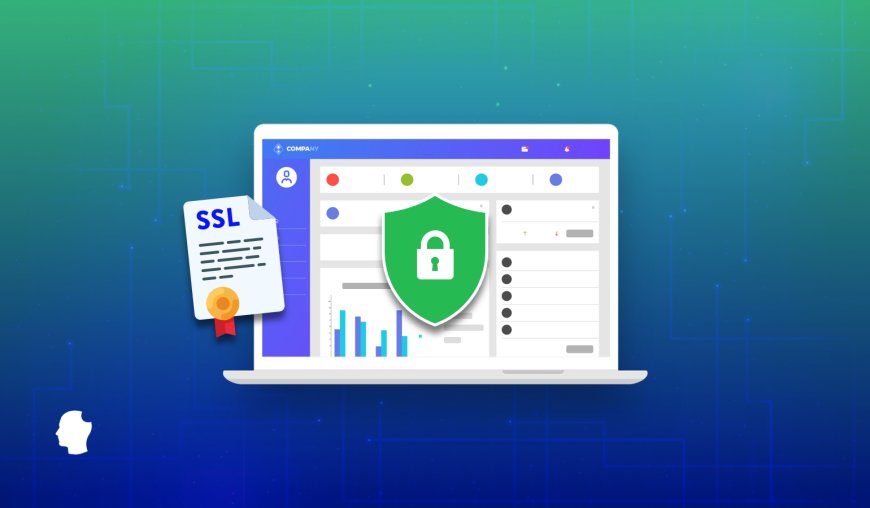
A security certificate is a digital credential that encrypts the communication between a web browser and a server. Without it, sensitive data such as login credentials, credit card numbers, and personal details can be intercepted by malicious actors. With it, however, this information becomes unreadable to third parties, providing both users and website owners with peace of mind.

1. Building User Trust
One of the most important benefits of using SSL/TLS certificates is the trust factor. When visitors see the padlock symbol next to your website’s URL, they immediately know that the connection is secure. In contrast, browsers now display warnings for sites without SSL, often scaring users away. For e-commerce websites, this trust directly translates into higher sales conversions. Customers are far more likely to enter their payment information on a site that clearly demonstrates its commitment to security.
2. Compliance with Industry Standards
Many industries, particularly finance, healthcare, and e-commerce, have strict compliance regulations regarding data protection. For example, the Payment Card Industry Data Security Standard (PCI DSS) requires online businesses that handle credit card transactions to use SSL encryption. Without meeting these requirements, a company risks facing fines, penalties, or even losing the ability to process online payments. Having a valid SSL certificate is not just a best practice—it is often a legal necessity.
3. Boosting Search Engine Rankings
Search engine optimization (SEO) plays a major role in how visible your website is to potential visitors. Google and other search engines give preference to secure websites using HTTPS over non-secure ones. By installing a valid SSL certificate, you gain an advantage in search rankings, which can lead to more organic traffic and greater brand visibility. For businesses competing in crowded markets, even a small SEO boost can make a significant difference.
4. Protecting Sensitive Data
From usernames and passwords to contact forms and payment details, websites frequently collect sensitive information. Without proper encryption, this data can be stolen during transmission, putting both users and businesses at risk. Security certificates ensure that data exchanged between a browser and a server remains private, reducing the risk of identity theft, financial fraud, and corporate espionage.
5. Preventing Phishing and Cyberattacks
Cybercriminals often create fake websites to trick users into sharing their personal information. However, SSL certificates can help users distinguish between legitimate sites and fraudulent ones. Verified certificates, such as Extended Validation (EV) SSL, display the company name in the browser bar, making it clear that the website is authentic. This added layer of verification helps prevent phishing attacks and enhances online credibility.
6. Enhancing Brand Reputation
A website’s security is directly tied to its reputation. A single breach can cause long-lasting damage to customer trust and brand image. By implementing SSL/TLS certificates, businesses show their commitment to protecting their customers. In an era where news of data breaches spreads quickly, taking proactive measures with strong security can set your brand apart from competitors.
7. Preparing for the Future of the Web
The internet is constantly evolving, with browsers, search engines, and users demanding higher levels of security. Many modern web technologies and APIs require HTTPS to function properly. For example, features like geolocation, push notifications, and service workers often do not work on non-secure websites. By adopting SSL/TLS today, businesses ensure compatibility with future innovations and technologies.
Conclusion
Security certificates are no longer optional—they are an essential component of every website. They build trust, protect sensitive data, improve search rankings, and safeguard businesses from regulatory and reputational risks. In a digital landscape where security threats are constantly evolving, having an SSL/TLS certificate is one of the simplest yet most powerful steps a business can take.
If you want your website to succeed in the competitive online environment, investing in security certificates is not just a technical decision—it is a business necessity. A secure website builds confidence, encourages customer loyalty, and positions your brand as a trustworthy player in the digital marketplace.
What's Your Reaction?
 Like
0
Like
0
 Dislike
0
Dislike
0
 Love
0
Love
0
 Funny
0
Funny
0
 Angry
0
Angry
0
 Sad
0
Sad
0
 Wow
0
Wow
0